If your plants, trees, or garden beds are mysteriously damaged, you might be dealing with rabbits, groundhogs, or deer. Each of these animals leaves behind unique signs that can help you figure out which one is responsible. This guide from Nature and Wildlife...
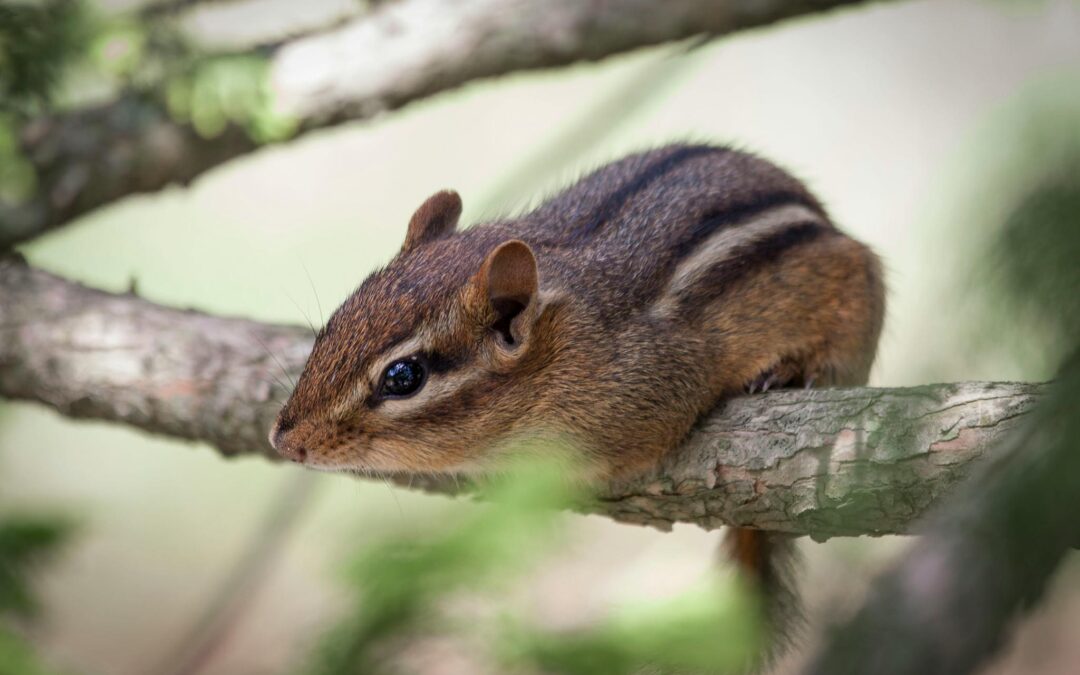
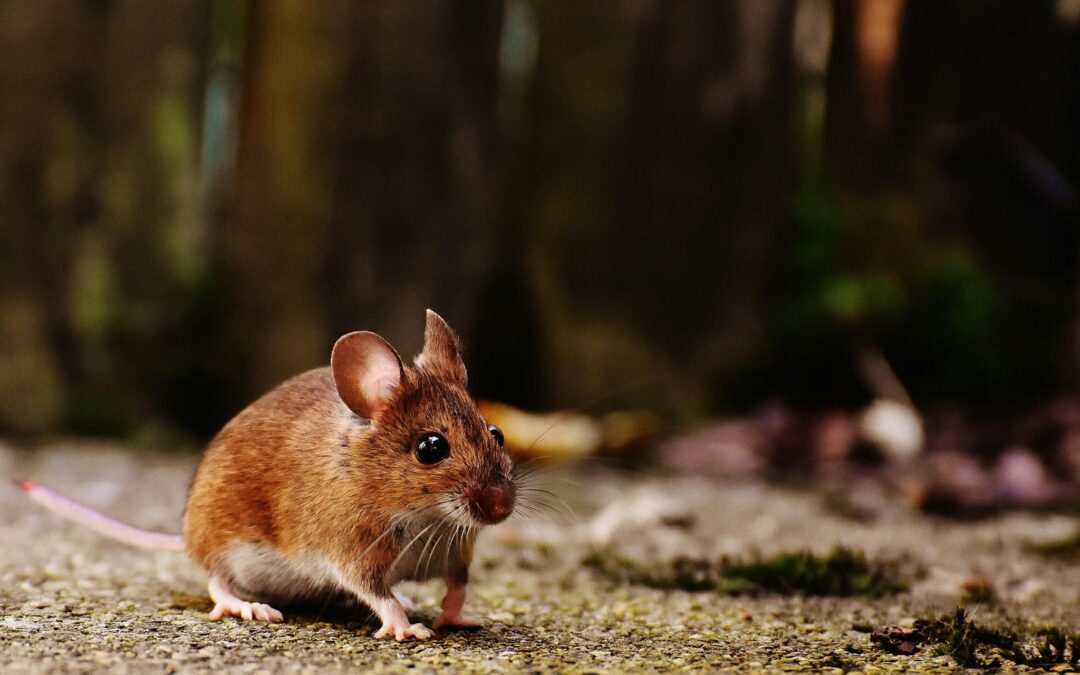
If you’ve spotted a small rodent scurrying across your yard or home and you’re unsure whether it’s a chipmunk, mouse, or rat, you’re not alone. These critters can look similar at a glance, but their differences are clear when you know what to...
At Nature and Wildlife Solutions, we often get asked: “How far should I release live-trapped wildlife?” The answer depends on the species, their natural behavior, and the habitat. Releasing animals at appropriate distances helps reduce stress, prevent immediate...
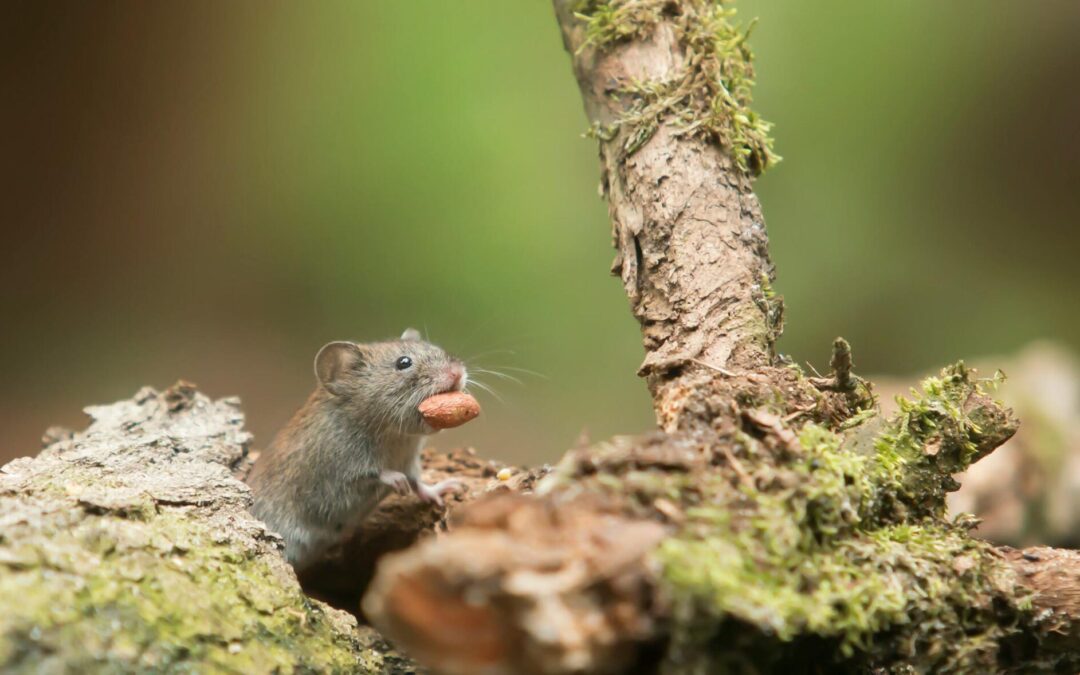
At Nature and Wildlife Solutions, we often hear from homeowners unsure if they’re dealing with voles or mice. While these two small rodents may look similar at first glance, they have some key differences in appearance, behavior, and habitat. Understanding these...
The minerals that trees and plants transport to their leaves primarily come from the soil. Here’s how the process works: Soil Composition – Minerals like nitrogen (N), phosphorus (P), potassium (K), calcium (Ca), magnesium (Mg), and others exist in the soil in...