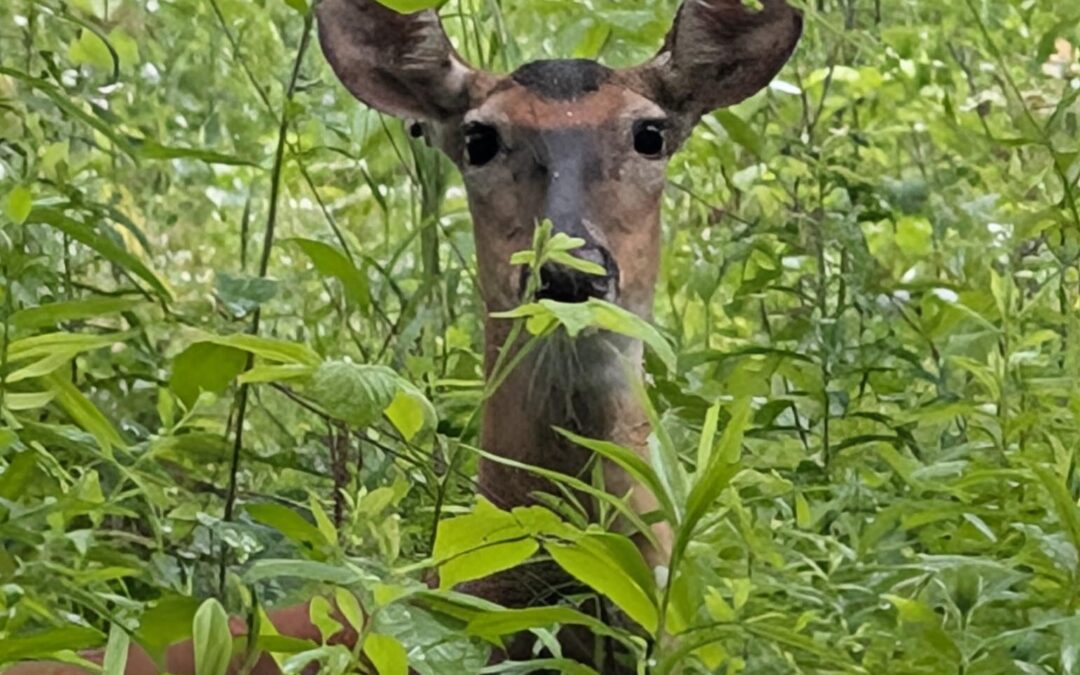
The White-tailed deer is one of the most adaptable and widespread wildlife species in Missouri. While they are often admired for their beauty, they can also become a major source of frustration for homeowners—especially in spring and early summer when gardens and...
The minerals that trees and plants transport to their leaves primarily come from the soil. Here’s how the process works: Soil Composition – Minerals like nitrogen (N), phosphorus (P), potassium (K), calcium (Ca), magnesium (Mg), and others exist in the soil in...
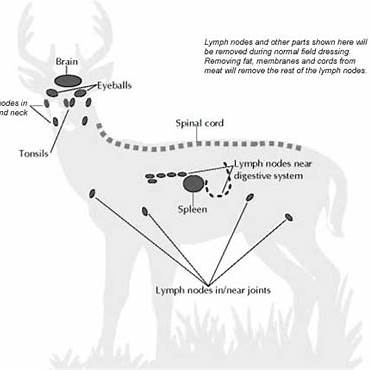
Understanding the lymphatic system of deer, particularly the location of lymph nodes, is crucial for wildlife management and disease monitoring, such as testing for Chronic Wasting Disease (CWD). Visual aids can significantly enhance this understanding. Here are some...
The gender of a fawn (whether male or female) is determined by the genetic material inherited from its parents, specifically the chromosomes. Female deer (does) have two X chromosomes (XX), while male deer (bucks) have one X and one Y chromosome (XY). The key factor...
Deer are able to identify pyrazines through their highly developed sense of smell. Pyrazines are a group of chemical compounds that are often associated with certain plant and animal odors. For deer, these compounds play a role in their ability to detect predators,...